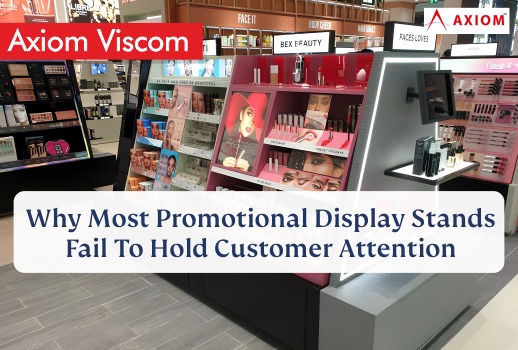
Walk into any retail store and you will see them everywhere. Promotional display stands placed near entrances, next to billing counters, or along aisles. They promise offers, new launches, or seasonal deals. Yet most shoppers walk past them without stopping. Not because customers are careless, but because many promotional display stands are built with the wrong assumptions. Attention today is limited, selective, and practical. When a display does not respect how people actually shop, it gets ignored. Failure is rarely about effort. It is about misunderstanding behaviour.
Customers enter a shop with a task in mind. Buy groceries. Pick a gift. Replace something urgent. Their mind filters everything that does not support that goal.
Many promotional display stand designs demand attention instead of earning it. Loud colours, crowded text, and oversized headers create visual noise. Shoppers learn to tune this out within seconds.
Attention is not grabbed by shouting. It is held by relevance. If the display does not immediately answer why it matters right now, the customer moves on.
Placement matters more than design.
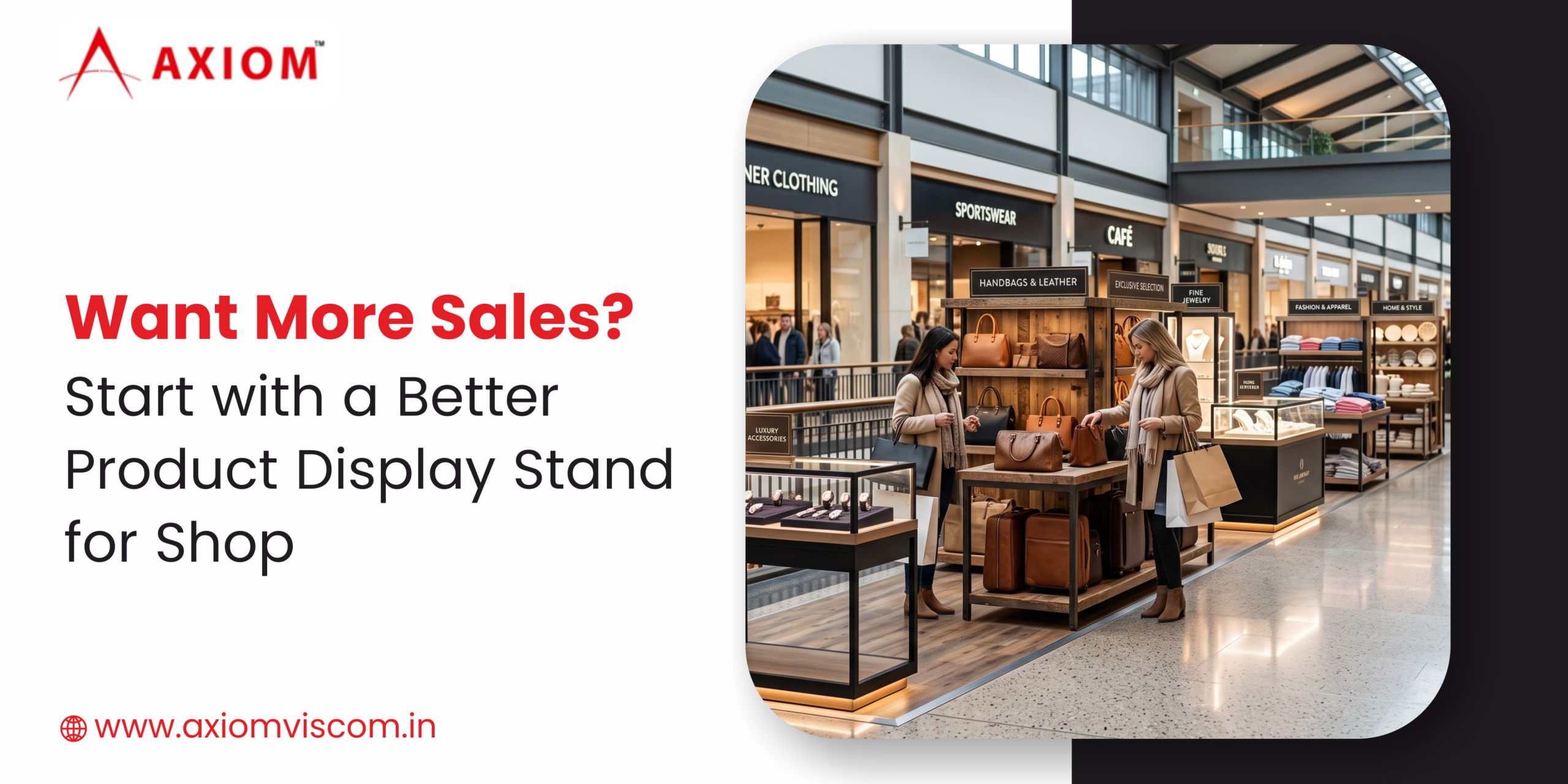
A Product Display Stand for Shop spaces often gets placed wherever there is empty space, not where customers naturally pause. Corners with fast movement, narrow aisles, or entry points with heavy footfall do not encourage stopping.
Customers need space to slow down. When displays block movement or feel intrusive, they trigger avoidance.
Well-performing product display stands are placed where people already hesitate. Near waiting areas, end of aisles, or transition points. Poor placement turns even a good idea into background clutter.
Many promotional display stands try to explain everything at once. Price, features, benefits, discounts, timelines, and conditions.
This overload creates mental fatigue.
Shoppers do not read long messages while standing. They scan. If the message takes more than a few seconds to understand, interest drops.
A display should communicate one clear idea. What is it and why should I care now. Anything beyond that should be handled by staff or packaging.
Human eyes follow patterns. From left to right. From top to middle. From product to price.
Many product display stands ignore this completely. Important information is placed too low or too high. Products sit below eye level while branding dominates the top.
This disconnect breaks the flow. Customers notice the stand but miss the product. Or notice the product but miss the offer.
Good display design respects how eyes move naturally. Poor design forces effort, and effort kills attention.
A display that works in one store often fails in another.
Store size, lighting, customer profile, and product category all matter. Generic promotional display stand designs assume all retail spaces behave the same.
They do not.
A Product Display Stand for Shop environments must match its surroundings. A bright stand in a calm store feels out of place. A subtle stand in a busy store disappears.
When displays do not blend with the store’s rhythm, customers treat them like interruptions.
Customers may not touch every display, but they notice quality.
Shaky stands, peeling prints, and bent frames reduce credibility instantly. If the stand looks temporary or fragile, customers assume the product is the same.
Strong, stable product display stands communicate confidence without words. Weak materials do the opposite.
Promotions rely on trust. When the stand feels unreliable, the message collapses.
Most promotional display stands focus on selling. Few focus on feeling.
Customers respond to familiarity, usefulness, and timing. A display that solves a small problem or fits a current need performs better than one shouting discounts.
For example, a well-placed display reminding customers of essentials before checkout feels helpful, not promotional.
Emotion is built through relevance, not excitement alone.
Retailers often judge displays by how they look on day one. The real test is day thirty.
If staff constantly rearrange products, customers bump into the stand, or products remain untouched, the display has failed.
Successful display stands work quietly. They do not need constant fixing. They integrate into daily movement.
Retailers learn too late that displays are part of store operations, not just marketing tools.
Promotional display stands fail when they demand attention instead of respecting it. Customers notice what helps them, not what interrupts them.
A good display understands behaviour, movement, and mood. It speaks less and shows more. It fits naturally into the shopping journey.
When promotional displays stop trying to impress and start trying to serve, attention follows without effort.
To strike a conversation with a professional display stand manufacturer, contact Axiom Visual Communications Pvt. Ltd. today!
Speak with our retail display experts within 2 hours. Get tailored recommendations, material samples, and a no-obligation quote for your project.