A poorly designed shop layout can silently drain foot traffic and blur product appeal. When furniture lacks function or character, your retail story remains untold. But with intentional design and expert intervention, shop furniture becomes more than a fixture, it becomes your retail identity. Real transformations lie not in lavish spending but in informed planning and professional execution.
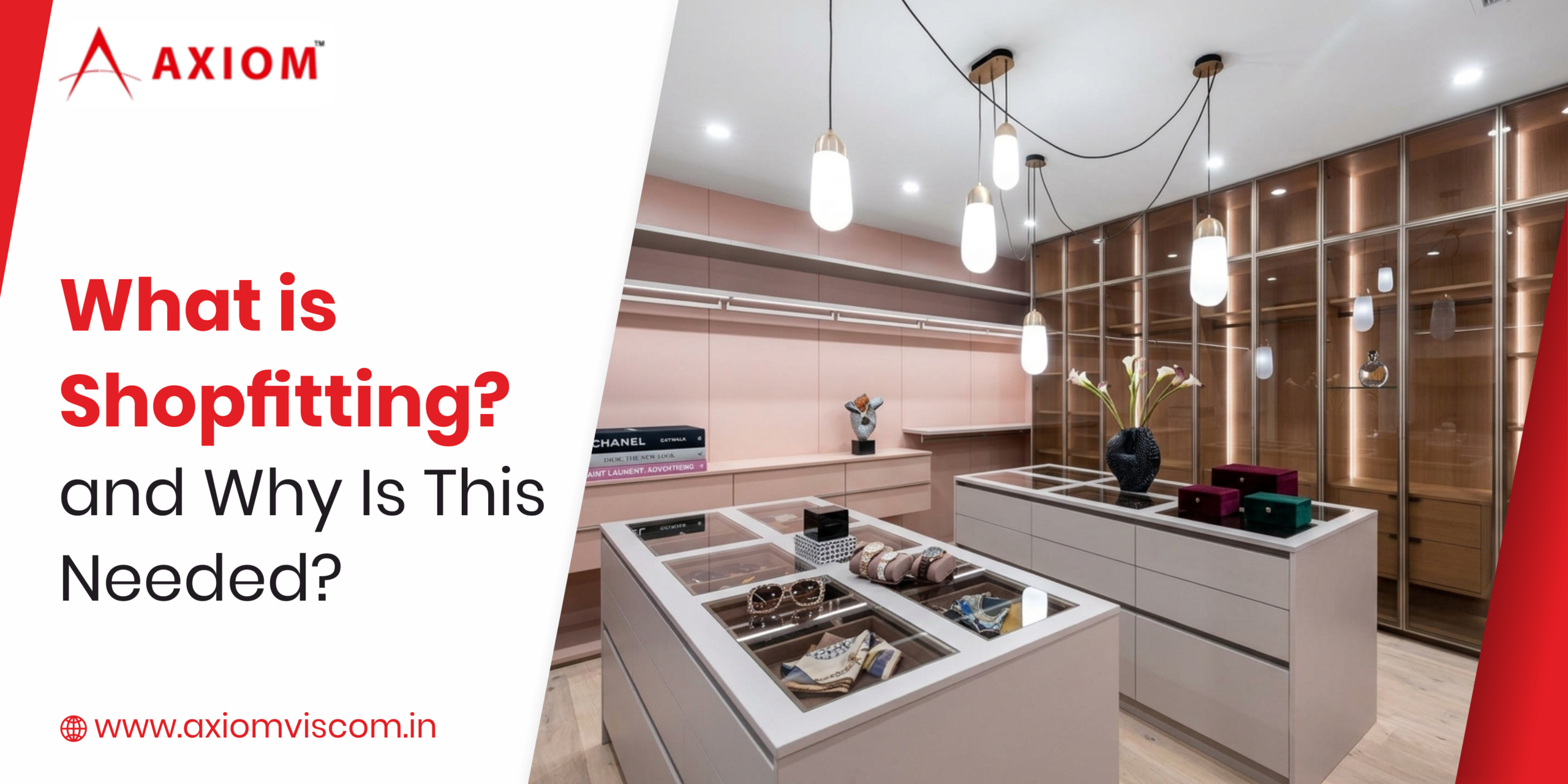
When considering shop furniture design, the layout should cater to both display efficiency and natural customer movement. Furniture is not merely for display, it actively guides shopping behaviour. In outdated setups, fixtures may interrupt flow or confuse product placement. This is why modern shop interiors demand furniture that adapts to evolving consumer psychology.
In high-performing retail spaces, shop furniture is curated to:
Furniture designed with these principles can shift a cluttered, low-conversion space into a seamless product journey.
Across Delhi and Mumbai, numerous retailers have experienced how strategic makeovers have increased dwell time and improved product visibility. These examples illustrate how subtle shifts in furniture design enhance spatial storytelling.
From Static To Modular
Fixed wooden counters were replaced with modular steel and laminate units. These allowed for:
From Generic To Brand-Specific
Standard display units were redesigned to mirror the brand’s tone. This meant:
From Dim To Directional
Outdated lighting in furniture was replaced with embedded LEDs. Impact:
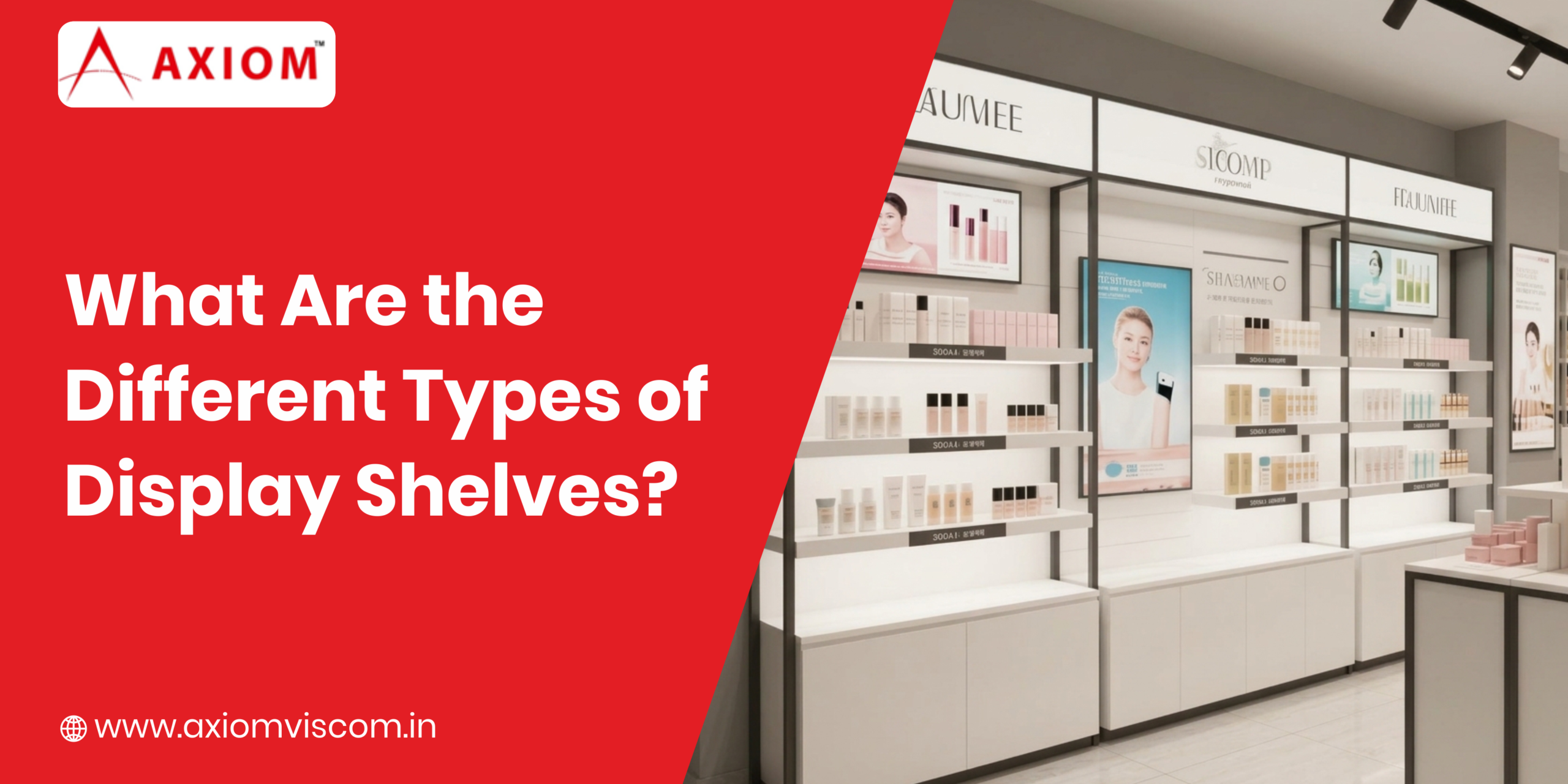
A successful retail space depends on thoughtfully engineered furniture, where every piece contributes to visibility, access and identity. Specific fixtures have emerged as game-changers for contemporary shop furniture design:
These elements combine practicality with subtle design language, ensuring they do not overpower but enhance product focus.
Generic furniture often fails to address regional store sizes, customer profiles and category segmentation. This is where the role of display rack manufacturers in Mumbai becomes crucial. A city with varied shop footprints needs furniture scaled to both 100 sq. ft. boutiques and multi-level retail units.
Likewise, retail fixture manufacturers in Delhi address the city’s mix of legacy marketplaces and luxury retail hubs. By offering region-specific design sensibilities, they enable:
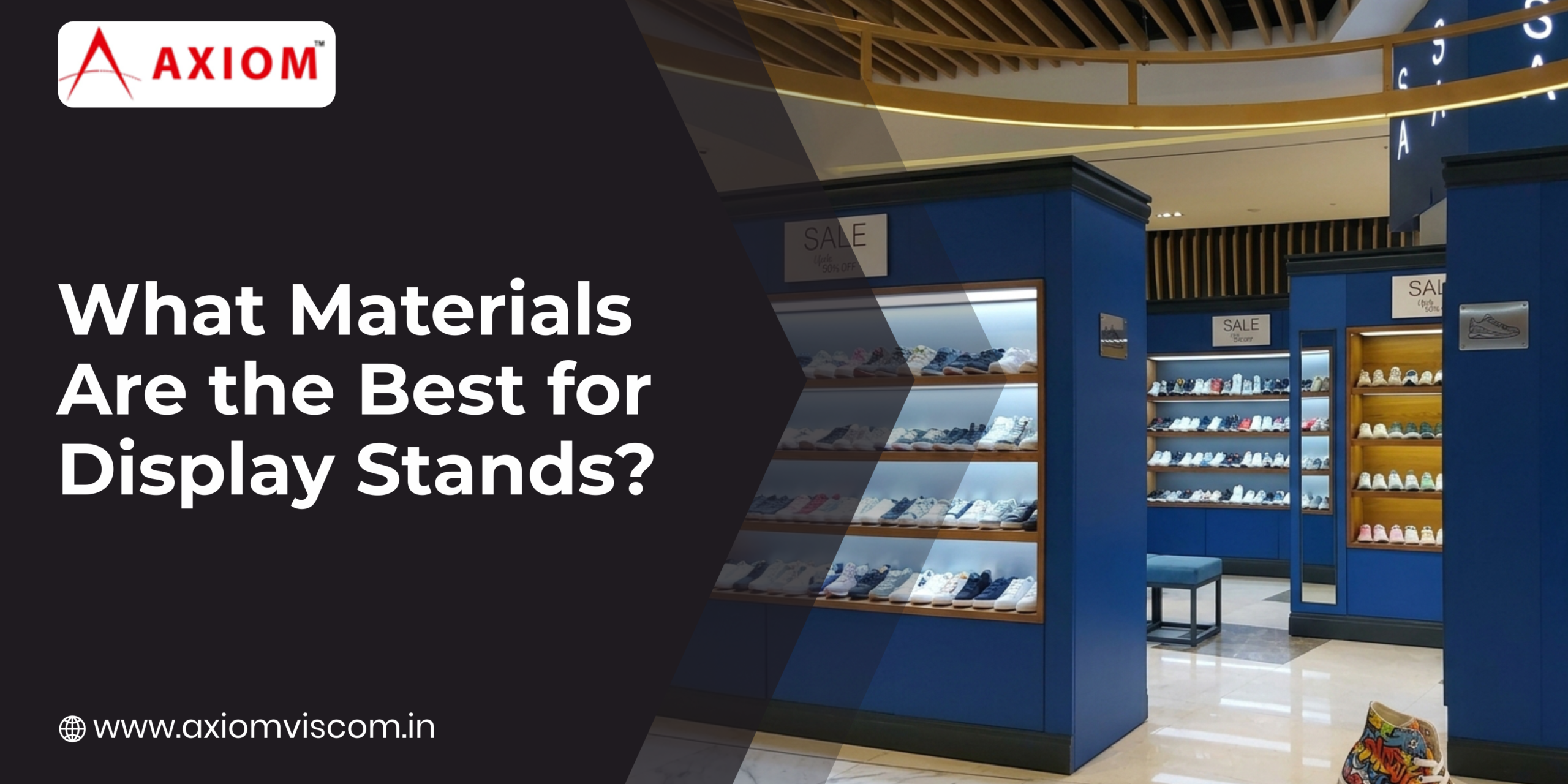
No shop furniture makeover is complete without revisiting how the products are displayed. Functional display units create natural halts in a shopper’s journey. They also subtly influence buying intent.
Well-designed display stands offer:
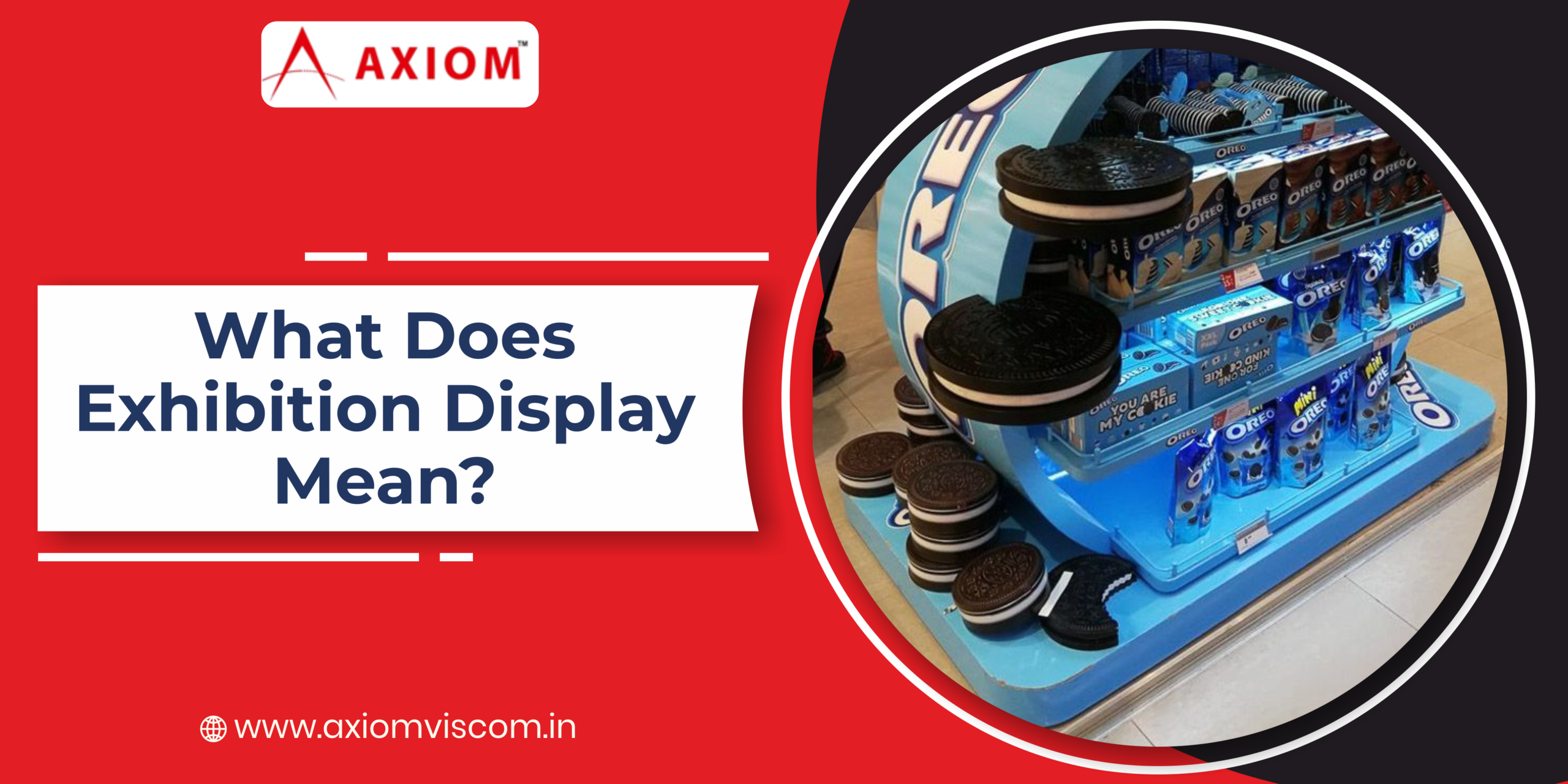
This is where a promotional display stand can deliver returns beyond its footprint. Strategic positioning near counters or entry zones nudges impulse purchases, especially for FMCG or accessories.
Optical retail demands furniture that supports both clinical and retail functions. Unlike other retail segments, here the design must also account for eye testing zones and consultation areas.
In a recent optical showroom design upgrade, the following integrations were applied:
This ensured the space remained sterile while retaining visual sophistication. Moreover, staff efficiency improved with better access to stock.
Every piece of furniture must justify its footprint. In shop interior design, especially within urban Indian retail formats, compact and multifunctional furniture is key.
When designing for a 300 sq. ft. retail unit, features such as collapsible product display stands and vertical slot walls support both variety and volume. Furniture becomes an extension of brand ethos when executed with thoughtful precision.
Retailers in high-footfall zones of Delhi and Mumbai have noted that intelligent furniture placements contribute directly to time spent per customer, and by extension, basket value.
Every successful shop transformation begins with a critical look at its furniture. Thoughtful upgrades improve more than just visual appeal, they drive flow, customer engagement and brand alignment. If you are considering a change, start with the fixtures. Because sometimes, the most powerful transformation lies in the details we overlook. For precision-led, context-aware execution, Axiom Viscom continues to bring these possibilities to life across retail formats in Delhi and Mumbai.
Every 3 to 5 years, with interim upgrades for seasonal display or layout restructuring.
Yes. Modular units allow scalability and are especially helpful in maximising smaller shop layouts.
If designed with local manufacturing standards, most fixtures allow rework, upgrades or part replacements.
They offer region-specific solutions, faster turnaround times and design familiarity with local materials.
Choose designs that balance customer visibility, offer secured storage, and allow seamless POS integration.
Speak with our retail display experts within 2 hours. Get tailored recommendations, material samples, and a no-obligation quote for your project.