Many retail store owners believe that instinct and product quality alone will drive footfall and conversions. In reality, the way a shop is laid out has an invisible yet powerful influence on shopper behaviour. Interior designers specialising in retail bring insight that most business owners overlook entirely. This difference in perspective can decide whether a store merely functions or performs.
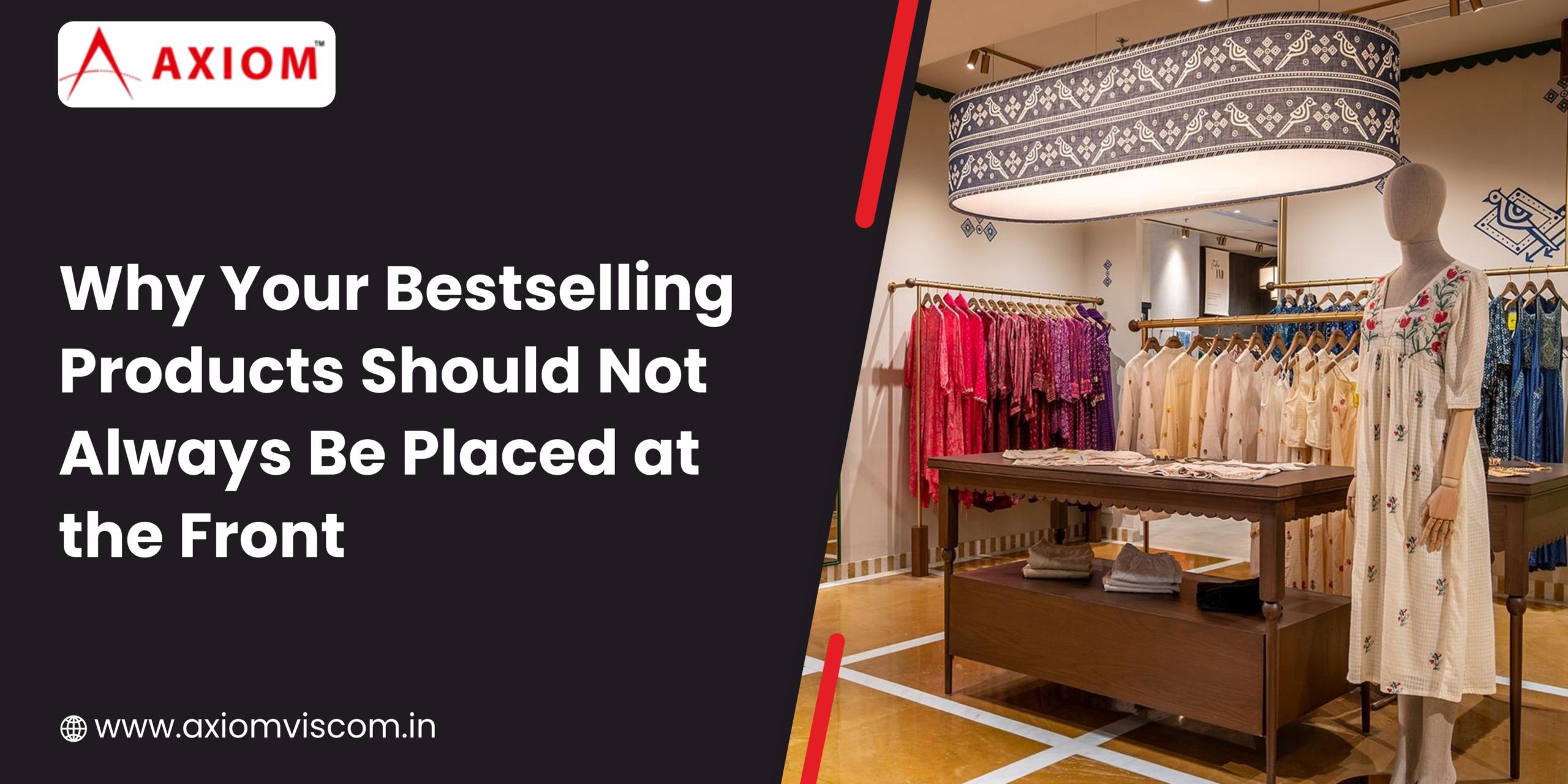
Shop layouts must be carefully choreographed to guide customers without friction. Interior designers do not simply place racks and stands. They map behavioural flow using proven spatial psychology.
An experienced interior designer for shops understands how layout affects attention span and dwell time. When shoppers move effortlessly from one section to another, engagement increases naturally.
The counter is not merely a place to process sales. It is a key touchpoint where perception, security and efficiency intersect.
Designers apply principles of retail ergonomics, ensuring:
The positioning and height of the front counter influence how open or guarded a shop feels. That subtle emotional cue affects return visits more than many owners realise.
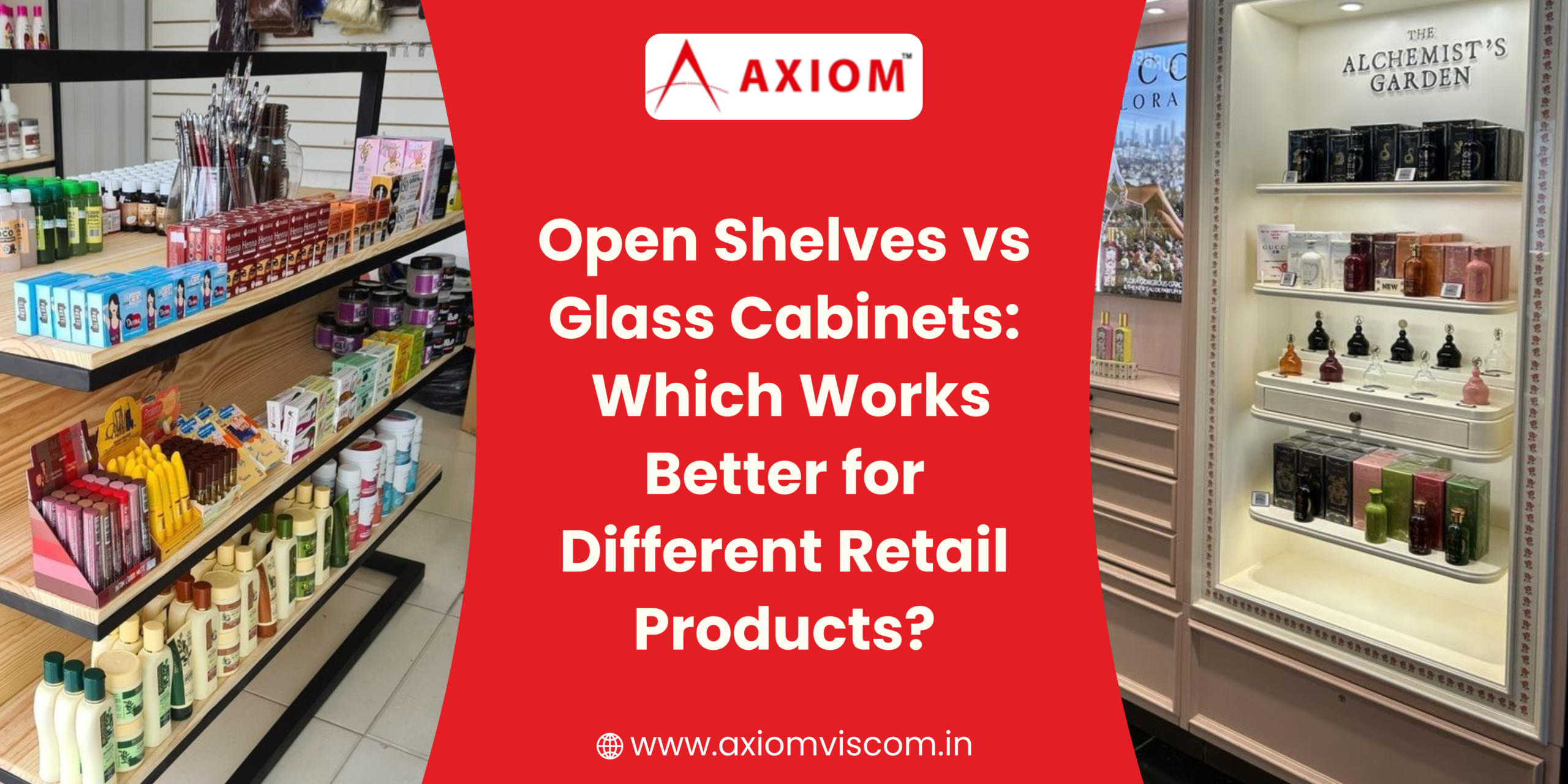
A frequent misconception among shop owners is viewing racks as utilitarian objects. In design terms, a display rack for supermarket or boutique use must do more than hold stock.
Interior designers work closely with display rack manufacturers in Mumbai and Delhi to create fixtures that:
For instance, in optical showroom design, eyewear fixtures must support easy product trials while protecting stock. Placement also determines which brands get higher visibility.
A poorly placed stand is a silent business cost. Effective product display stands influence attention span, pause rate, and purchase intent.
Designers know the importance of creating:
In contrast, non-designed displays often result in overcrowding, visual fatigue or brand dilution. This is particularly common in outlets managed without retail-specific design experience.
Furniture is not selected for aesthetics alone. Interior designers align furniture type, shape and material with brand character and customer persona.
This is especially relevant in high-experience retail such as eyewear stores, where sunglasses display racks must invite browsing without making the space feel overcrowded.
Shopfitting companies often handle execution, but without a design vision, their output risks becoming generic. Retail fixture manufacturers in Delhi and Mumbai provide the infrastructure, but the blueprint must come from a designer who understands:
When design and fabrication align early, lead times shorten and brand consistency strengthens.
In categories involving health or vision, layout communicates credibility. In optical showroom design, lighting, material choices, privacy of consultation areas, and eyewear fixtures work together to build trust.
Designers ensure that customers:
Without this design sensitivity, optical retail spaces risk appearing either too clinical or too chaotic.
Most shop owners focus on inventory, pricing and location. While important, these alone do not build customer retention. Layout is not decoration. It is a strategy made visible. Engaging an interior designer for shops is not an indulgence, it is an operational foresight. Axiom Viscom works at the intersection of strategy, psychology and design, delivering retail spaces that perform, not just exist.
What makes shop interior designers essential for retail success?
They combine behavioural insight, spatial logic and brand storytelling to shape environments that drive engagement and purchase.
How does a retail layout affect customer behaviour?
A considered layout reduces hesitation, supports product discovery and encourages customers to explore more of the store.
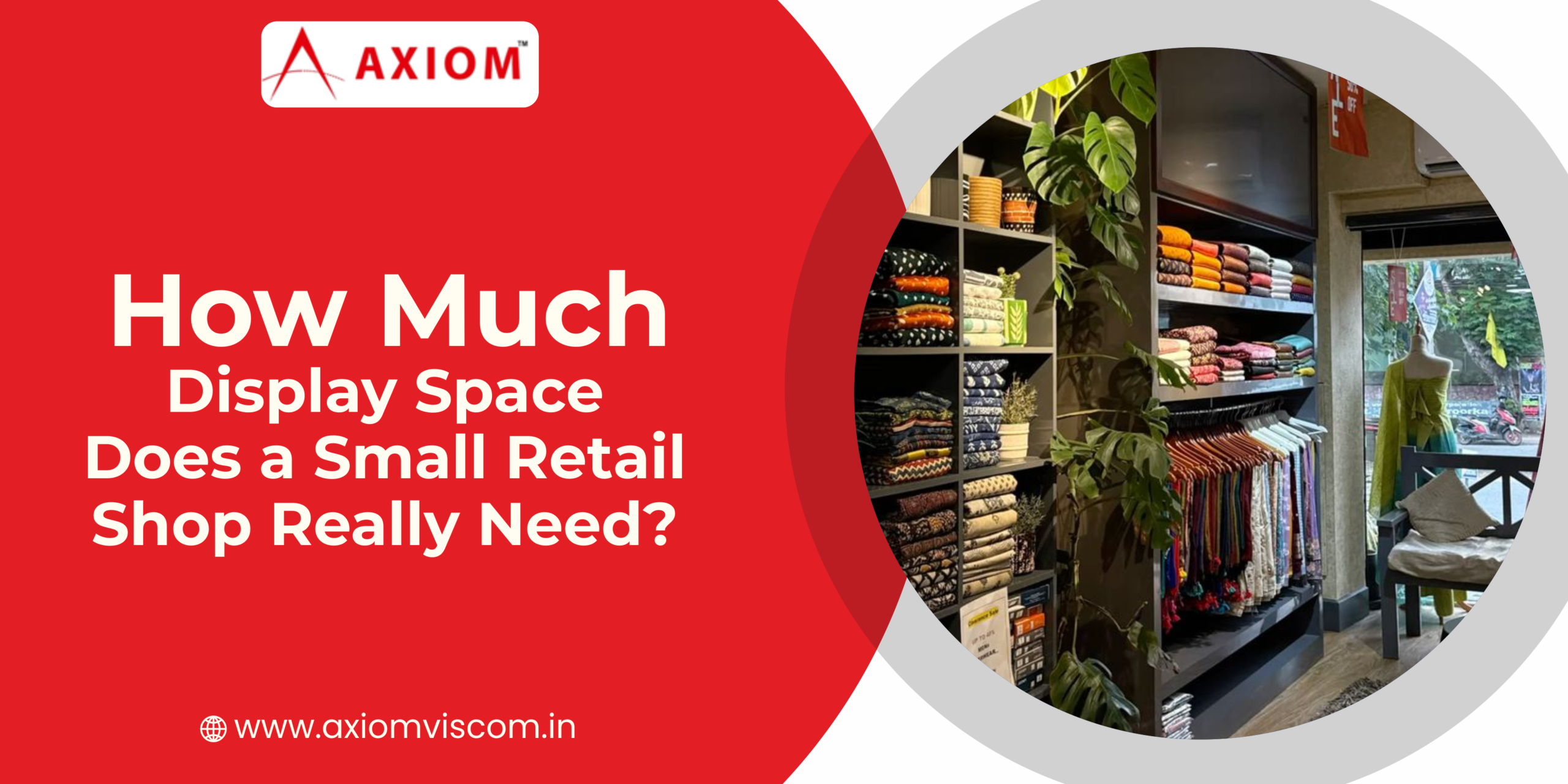
Is investing in display stands and racks necessary for small shops?
Yes. Even compact spaces benefit from purposeful display solutions that guide attention and reflect professionalism.
How do designers approach shop furniture design?
Furniture is selected based on durability, flow and customer interaction. Every element supports a larger brand and experience strategy.
What is the designer’s role in shopfitting?
Designers translate business goals into functional spaces, ensuring that execution teams align on scale, sequence and style.
Speak with our retail display experts within 2 hours. Get tailored recommendations, material samples, and a no-obligation quote for your project.