In today’s competitive retail landscape, shop furniture design is no longer just about aesthetics—it’s a strategic tool that directly impacts customer behavior, product visibility, and ultimately, sales. Whether you’re setting up a new retail space or revamping an existing one, the right furniture layout can guide customer journeys, highlight products, and create a memorable brand experience.
Modern consumers don’t just shop—they experience. A well-thought-out shop furniture design helps you:
According to retail behavior studies, customers spend more time and money in stores that are visually structured and easy to navigate.
The first rule of effective shop furniture design is functionality. Before choosing materials or colors, map your store layout.
A strategic layout ensures smooth movement and encourages customers to explore more sections.
For a deeper understanding, explore how Shop Interior Design plays a role in planning overall store flow and zoning.
Retail trends change quickly, and your store should be able to adapt. Modular furniture allows you to:
This flexibility makes your shop furniture design future-proof and cost-efficient.
Not all products are equal—some deserve the spotlight.
Use:
For example, if you run an eyewear store, using premium sunglasses display racks can instantly enhance product appeal and increase impulse purchases.
Your billing or checkout area is more than just a transaction point—it’s a branding opportunity.
A well-planned Front counter design for shop should:
This area leaves a lasting impression, so invest in both design and functionality.
Lighting and furniture go hand in hand. Even the best shop furniture design can fail if poorly lit.
Lighting enhances textures, colors, and overall product perception.
Every retail category has unique needs. Generic furniture won’t deliver the best results.
For example:
Working with an experienced interior designer for shop ensures your furniture aligns perfectly with your business goals.
If your store has limited space, smart storage is essential.
Efficient shop furniture design helps you display more products without cluttering the space.
Your furniture should reflect your brand identity.
Consistency builds trust and recognition, making your store more memorable.
Display racks are the backbone of any retail store.
Choosing reliable Display Rack Manufacturers ensures:
High-quality racks not only last longer but also elevate the overall look of your store.
A successful shop furniture design always puts customers first.
Comfortable customers spend more time in-store, increasing the chances of conversion.
The ideal layout depends on your store type, but generally includes a clear entrance, guided pathways, and strategically placed focal points to highlight key products.
Well-designed furniture improves product visibility, enhances customer experience, and encourages longer store visits—all of which directly increase sales.
Custom furniture is recommended as it aligns with your brand, space, and product requirements, making your store more efficient and visually appealing.
Minor updates should be done every season, while a complete redesign can be considered every 3–5 years depending on trends and business growth.
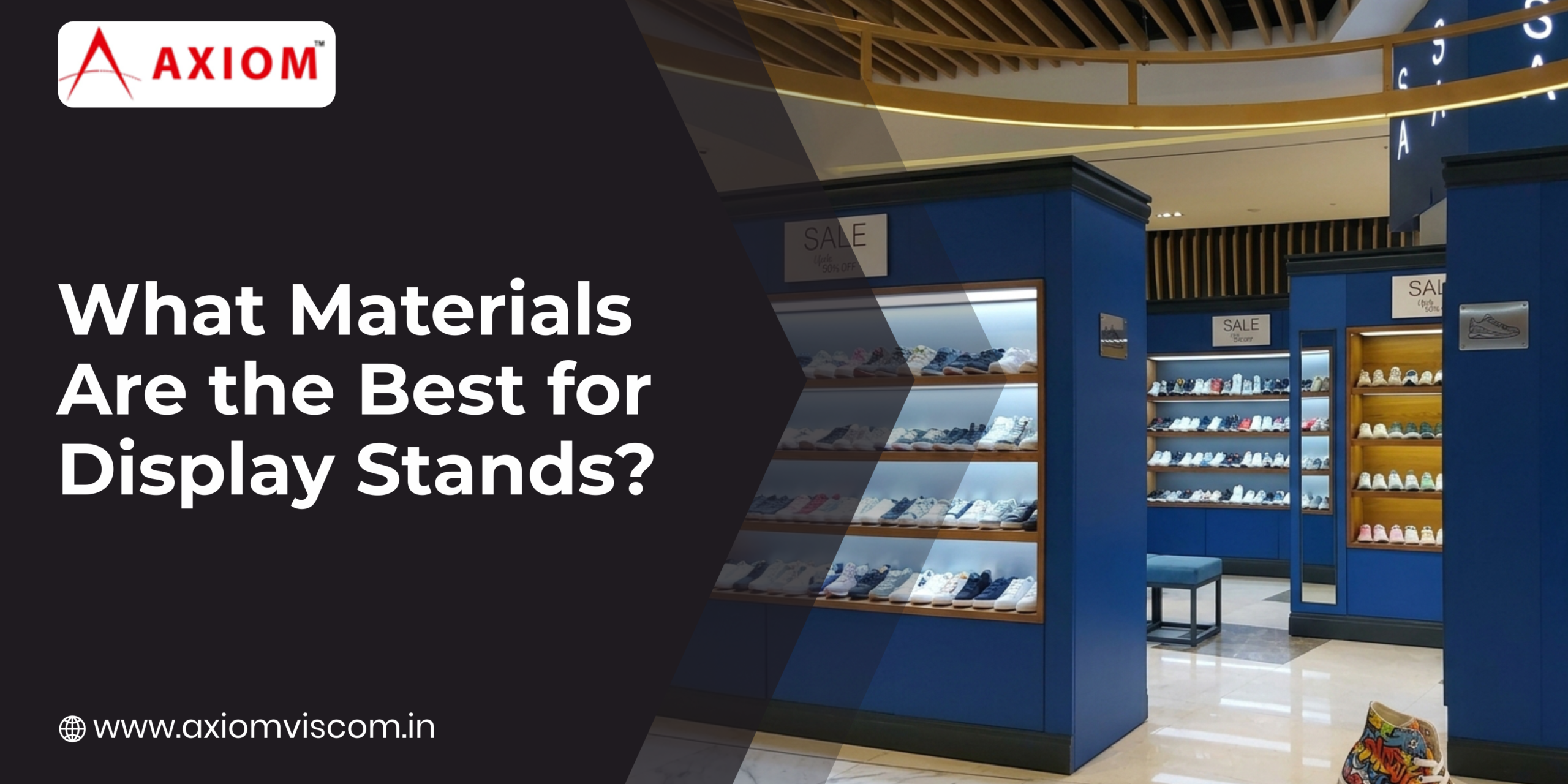
Common materials include wood, metal, glass, and acrylic. The choice depends on your brand image, budget, and durability requirements.
Speak with our retail display experts within 2 hours. Get tailored recommendations, material samples, and a no-obligation quote for your project.