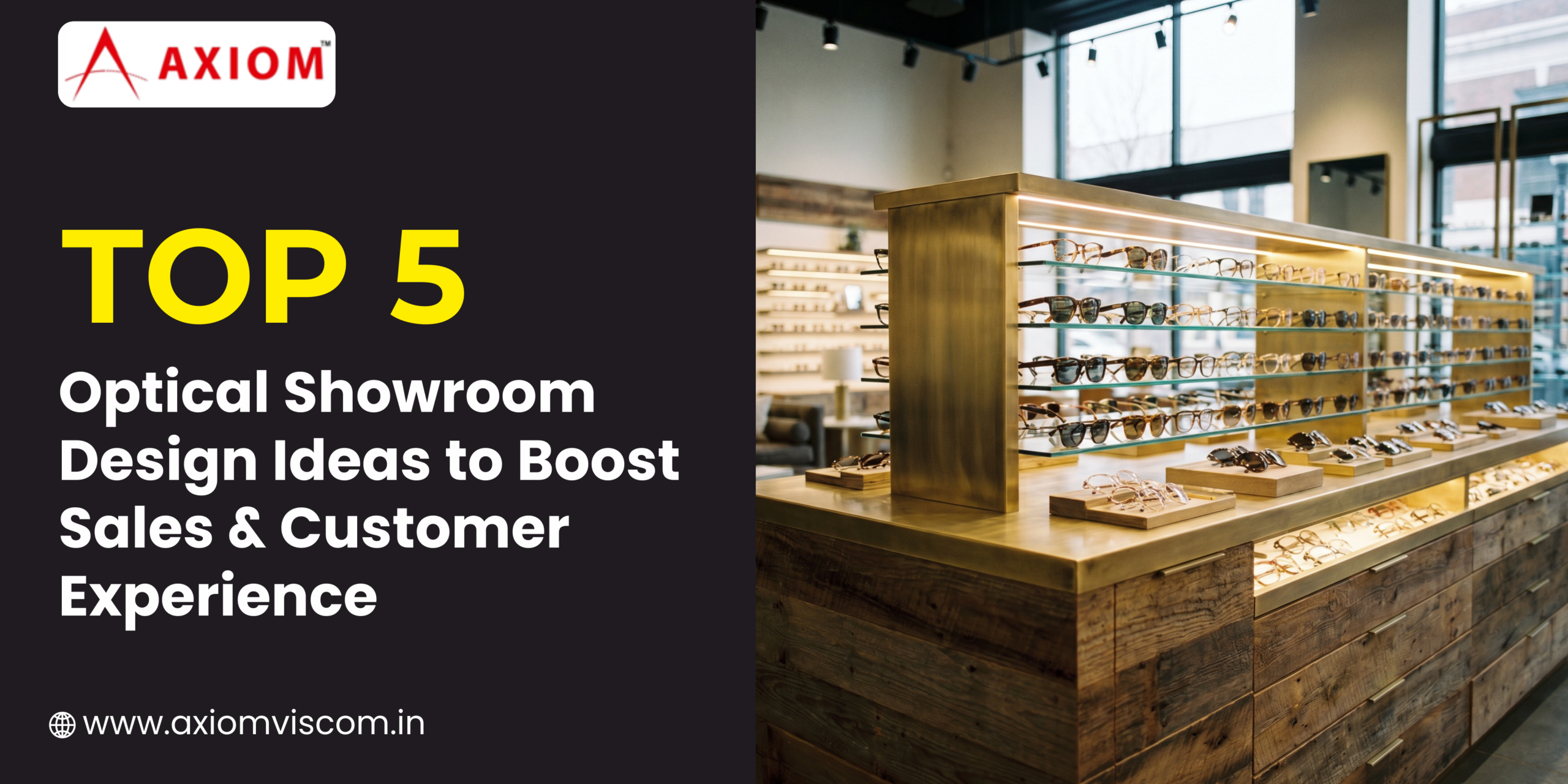
In today’s competitive retail landscape, optical showroom design is no longer just about aesthetics—it directly impacts customer behavior, product visibility, and ultimately, sales. A well-designed optical store not only enhances brand perception but also creates a seamless shopping experience that encourages conversions.
If you’re planning to upgrade your store or launch a new one, this guide covers the top 5 optical showroom design ideas that are optimized for both customer engagement and business growth.
Before diving into the ideas, let’s address a key question:
A strategically planned showroom:
Modern consumers expect more than just shelves—they want an experience.
One of the most effective optical showroom design strategies is dividing the store into functional zones:
This layout ensures customers don’t feel overwhelmed and can easily navigate the store.
To enhance this setup, using high-quality product display stands helps in organizing frames systematically while maintaining visual appeal.
Pro Tip: Place high-margin products at eye level to boost conversions.
Lighting plays a crucial role in showcasing eyewear:
Good lighting allows customers to see frame colors and details clearly, improving decision-making.
Collaborating with professional Display Stand Manufacturers ensures your lighting integrates seamlessly with fixtures.
Modern customers prefer clean and uncluttered spaces. A minimalist optical showroom design:
Use neutral tones like white, beige, or grey, and add brand colors subtly.
Working with experienced shopfitting companies ensures your store achieves a balance between aesthetics and functionality.
Sunglasses are often impulse purchases, so their placement matters.
Installing specialized sunglasses display racks helps create a dedicated, visually appealing section that draws attention instantly.
Comfort influences buying decisions more than you think.
Include:
Investing in well-planned Shop Furniture Design ensures both customers and staff have a smooth experience.
Pro Tip: Add a consultation desk to personalize customer interactions.
Combining design with psychology ensures maximum ROI from your showroom.
Avoid these pitfalls:
A clutter-free, well-lit, and thoughtfully designed showroom always performs better.
Stay ahead with these trends:
Retail design is evolving, and adopting these trends early can give you a competitive edge.
The ideal size depends on your product range, but even compact spaces can be optimized with smart layouts and modular displays.
Costs vary based on materials, technology, and customization. Investing in quality design ensures long-term returns.
Loop and grid layouts are commonly used as they guide customer movement effectively and maximize product exposure.
Use minimalist design, high-quality lighting, branded elements, and organized displays to create a premium feel.
Effective display improves product visibility, enhances customer experience, and directly influences purchasing decisions.
A well-executed optical showroom design is a powerful tool to attract customers, enhance their experience, and increase sales. By focusing on smart layouts, lighting, branding, and modern technology, you can create a retail space that stands out in a competitive market.
If you’re planning to design or upgrade your optical store, partnering with experts like Axiom Viscom ensures your showroom is not just visually appealing but also performance-driven.
Speak with our retail display experts within 2 hours. Get tailored recommendations, material samples, and a no-obligation quote for your project.