Most shoppers believe they enter a store with a fixed list in their mind. Yet many of them leave with a bag holding something that was not on that list.
That surprise is not luck, because the space around them shapes each choice from the first step through the door. At Axiom Visual Communication, we see this pattern in every project of retail store interior design in Delhi and Mumbai.
This blog explains how layout, furniture, light and colour shape buying decisions, and where honest design should draw a line.
Interior design shapes purchases by deciding what shoppers notice, the length of their stay and which products feel within reach. A relaxed customer stays for a longer time, and those extra minutes give every shelf another chance to sell.
However, design cannot create desire from nothing, because it works with needs the shopper carries through the door. What a good space does is turn a loose intention into a confident decision at the shelf.
Designers call the area past the entrance the decompression zone, where shoppers adjust to new light, sound and scale. At Axiom Visual Communication, we treat this zone as a welcome mat, not a display wall for every new arrival.
Products placed in the first few feet get missed, because a shopper’s eyes are adjusting after the busy street. As a result, a crowded entrance wastes good stock and makes the whole shop feel rushed and tense.
In contrast, an open threshold lets people settle their pace and scan the room before choosing an aisle. That calm moment makes customers feel welcome, and welcome customers are happy to explore the back of the store.
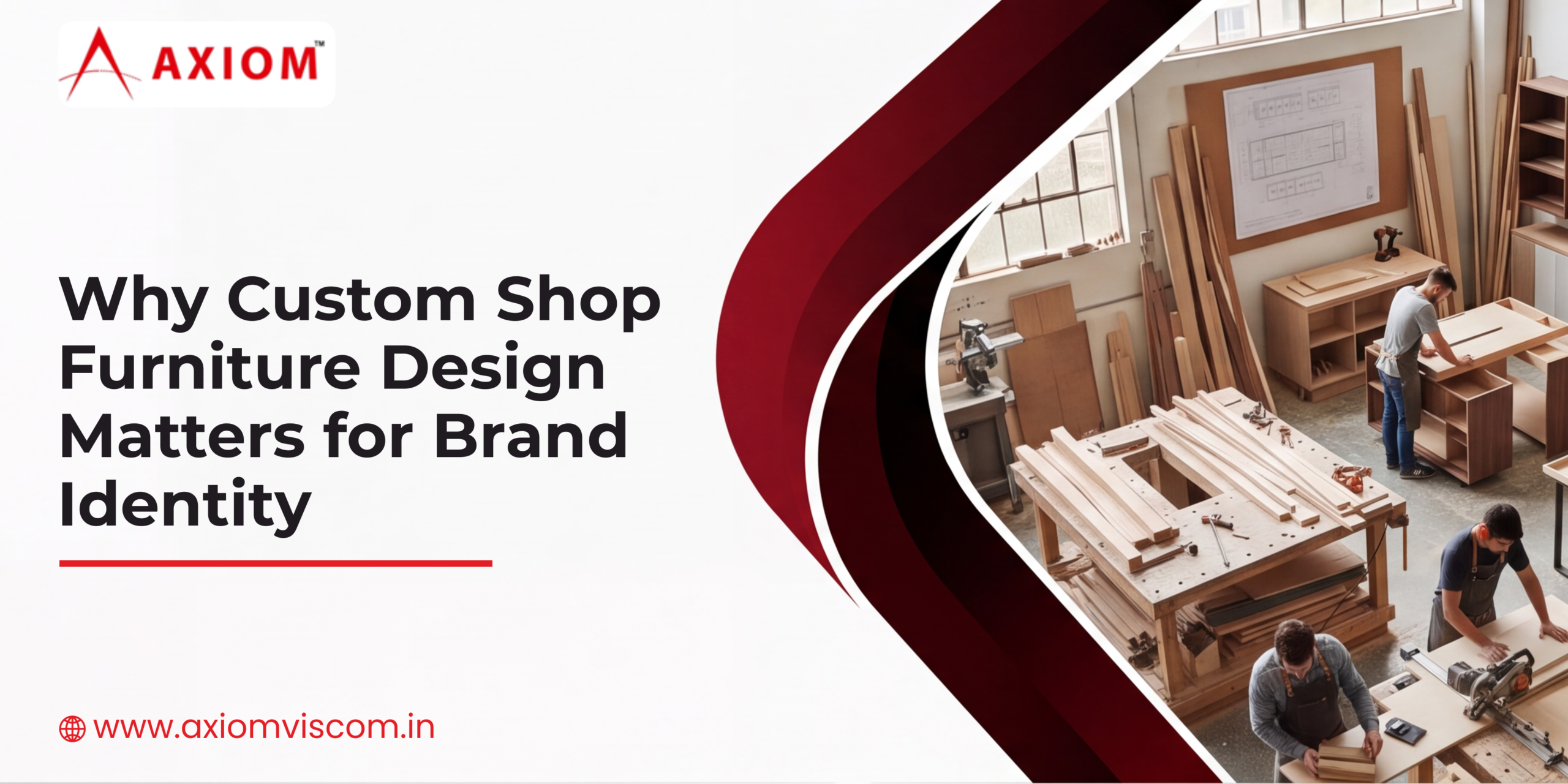
Every counter, rack and shelf sends a message about how a product should be handled. That is why shop furniture design carries the weight of countless small decisions that customers make without noticing them.
Furniture holds the products, but the atmosphere decides the mood in which customers judge them. The following table shows how three sensory elements change what people feel and, in turn, what they buy.
| Design Element | What the Customer Feels | Effect on Buying |
| Warm lighting | Comfort and a sense of welcome | Longer browsing in fashion, home and jewellery stores |
| Focused spotlights | Attention drawn to one item | Higher interest in featured or premium products |
| Soft, muted colours | Calm and unhurried | Thoughtful purchases of high-value items |
| Bright accent colours | Energy and urgency | Quicker picks near offer zones and the billing counter |
| Slow background music | A relaxed pace | Shoppers notice a wider range of shelves |
Similarly, scent and temperature matter, because a stuffy or chilly room pushes people towards the exit. Comfort, on the other hand, gives them the time and patience to discover every product you chose to stock.
This is the part of the conversation that most design articles prefer to skip. A layout can pressure a shopper into a purchase they regret, and that regret costs you a loyal customer.
Maze-like floor plans, hidden exits and fake scarcity tags may lift one bill, yet they damage trust for months. Good shop interior design does the opposite, helping people find what suits them and leave confident in their choice.
At Axiom, we follow three principles that keep persuasion honest across every store we design, build and install.
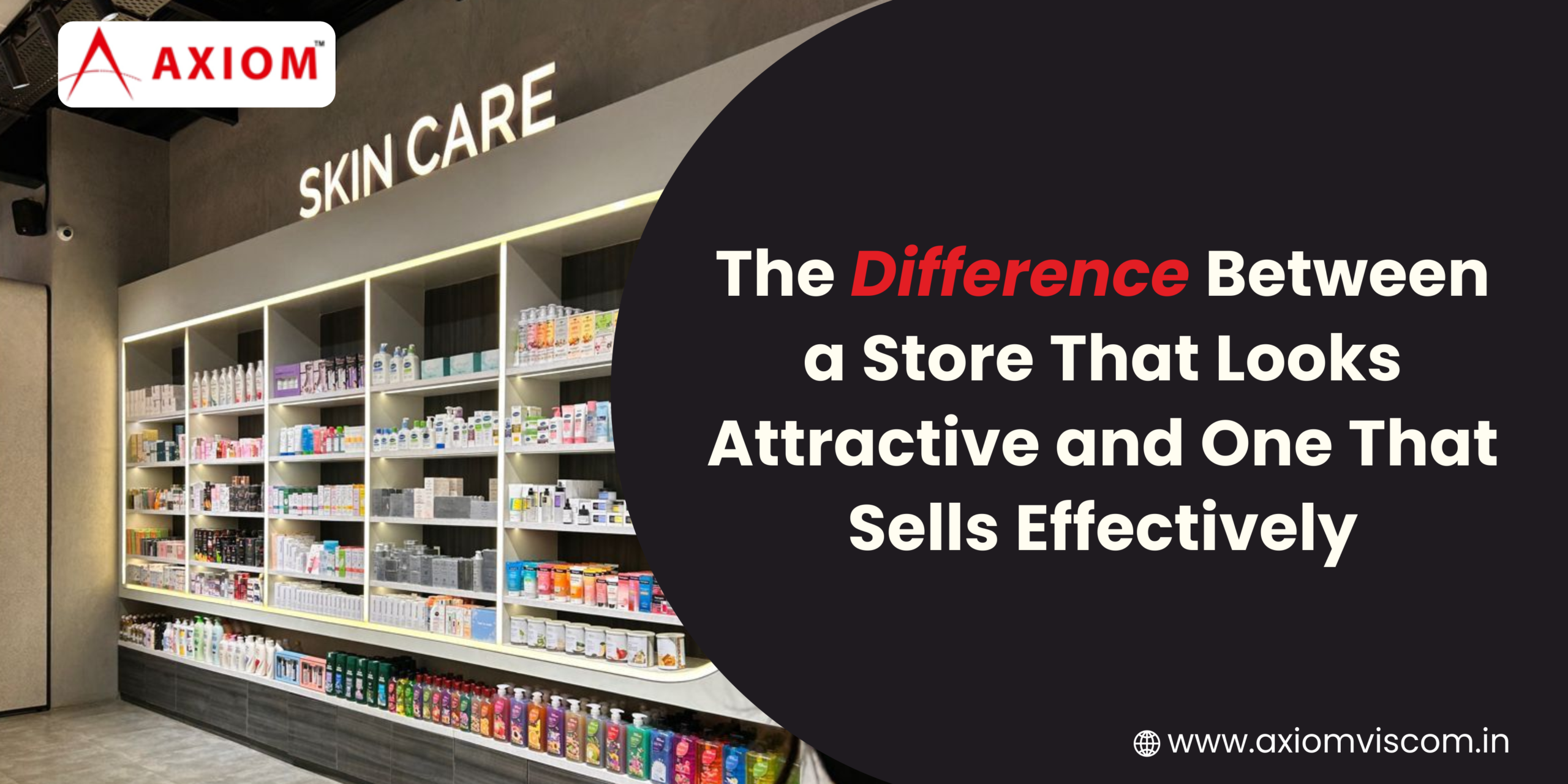
Every store shapes what its customers buy, whether the owner plans it or leaves it to chance. The layout, furniture, lighting and colours decide which products feel tempting and which ones disappear from view.
Therefore, retail shop interior design deserves the same care you give to pricing and stock selection. At Axiom Visual Communication, we plan, build and install stores that guide shoppers with honesty and earn repeat visits.
To discuss your next store, call us on +91-9082842748 or write to sales@axiomviscom.in for a free design consultation.
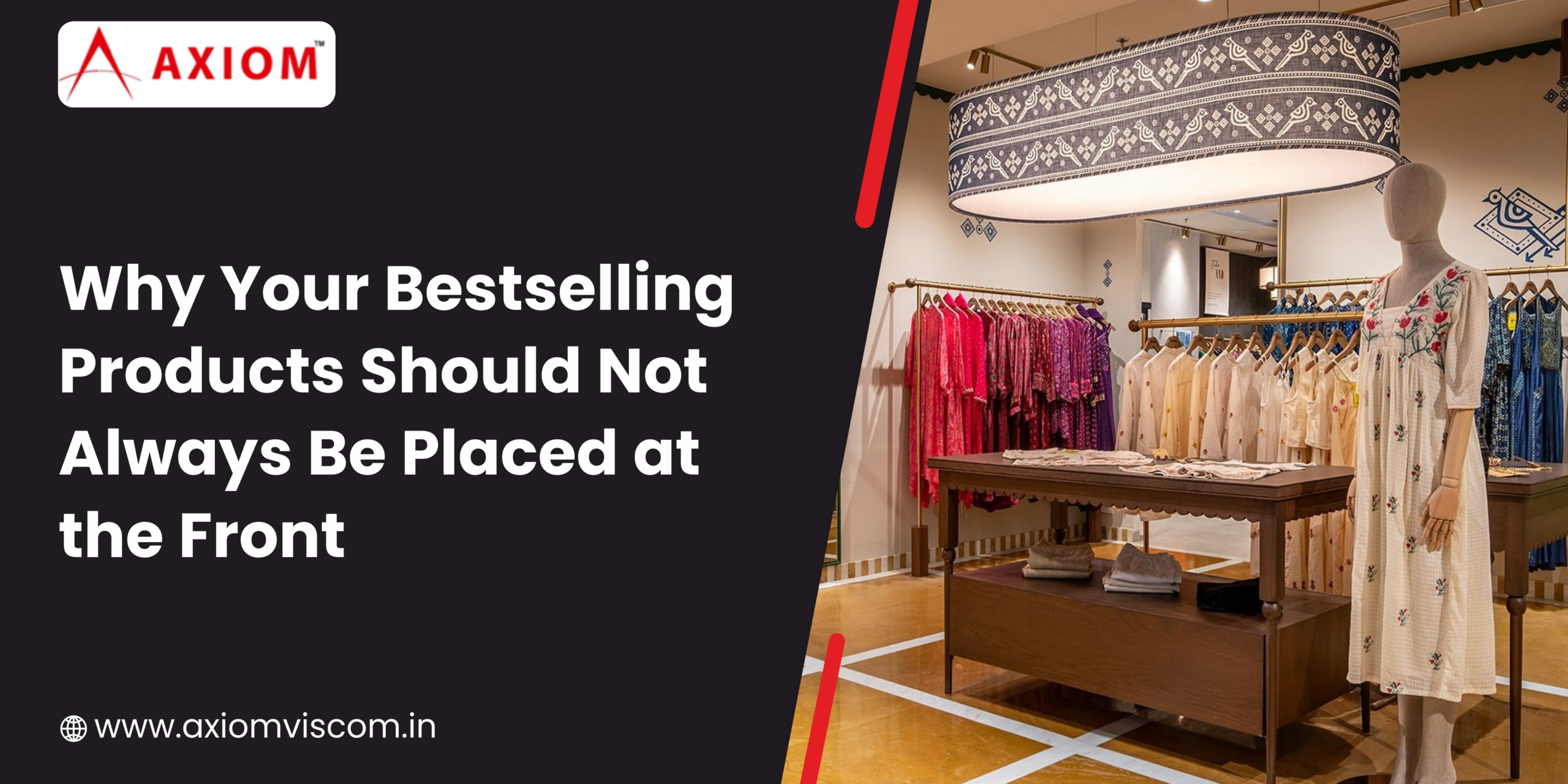
Store layout controls the path shoppers walk and the products they pass. A thoughtful route exposes customers to a wider range, which raises the chance of planned and unplanned purchases.
Yes, lighting shapes both the mood of the room and the attention each product receives. Warm light encourages unhurried browsing, while focused spotlights pull the eye towards premium or seasonal items.
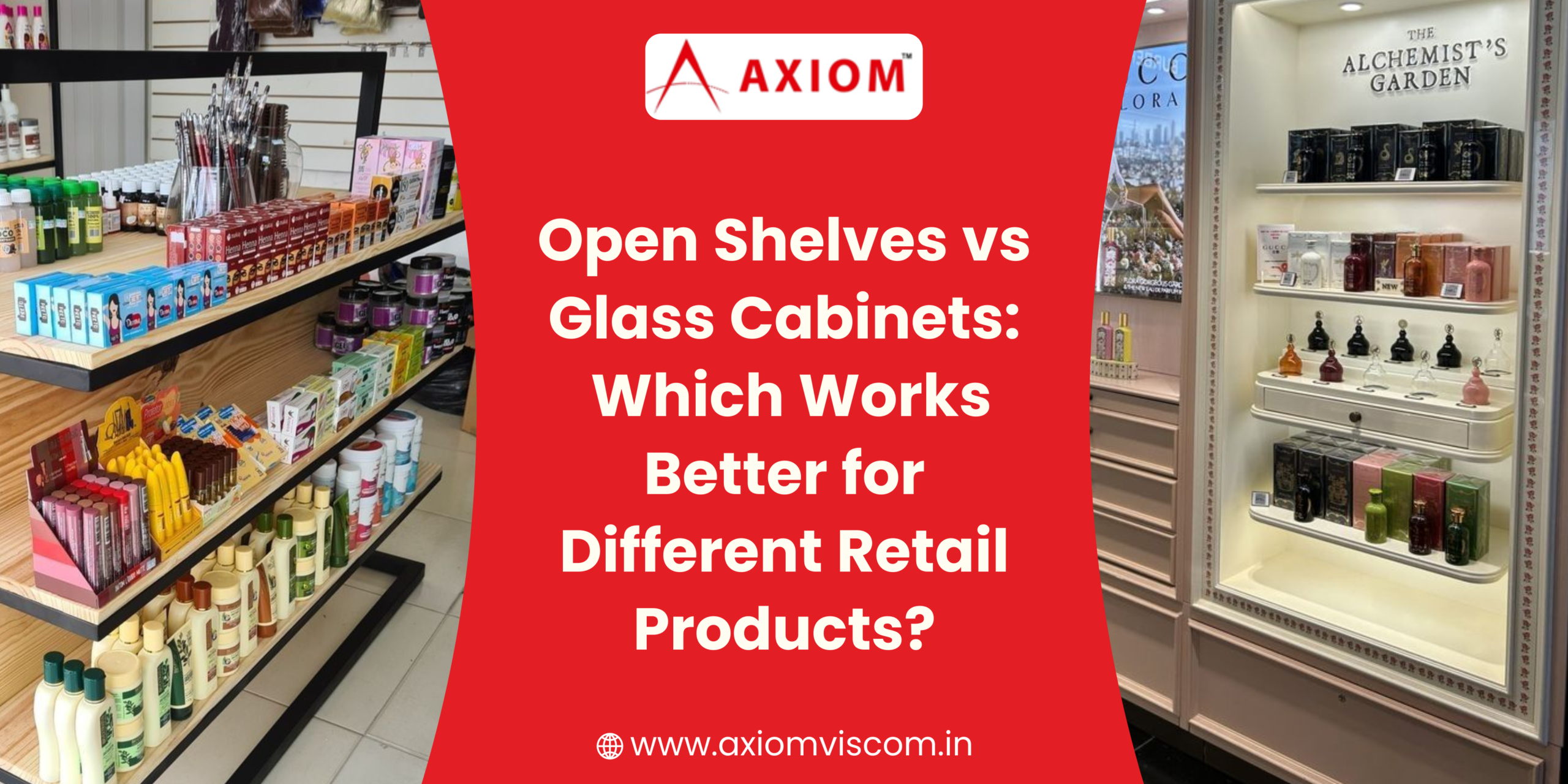
In a small store, every fixture competes for limited floor space. The right height, depth and finish make products easy to reach, which keeps the aisles free and comfortable for shoppers.
Yes, we design, manufacture and install retail interiors under one roof. We work from offices in Faridabad and Mumbai, serving brands in Delhi, Mumbai and other cities across India.
Speak with our retail display experts within 2 hours. Get tailored recommendations, material samples, and a no-obligation quote for your project.