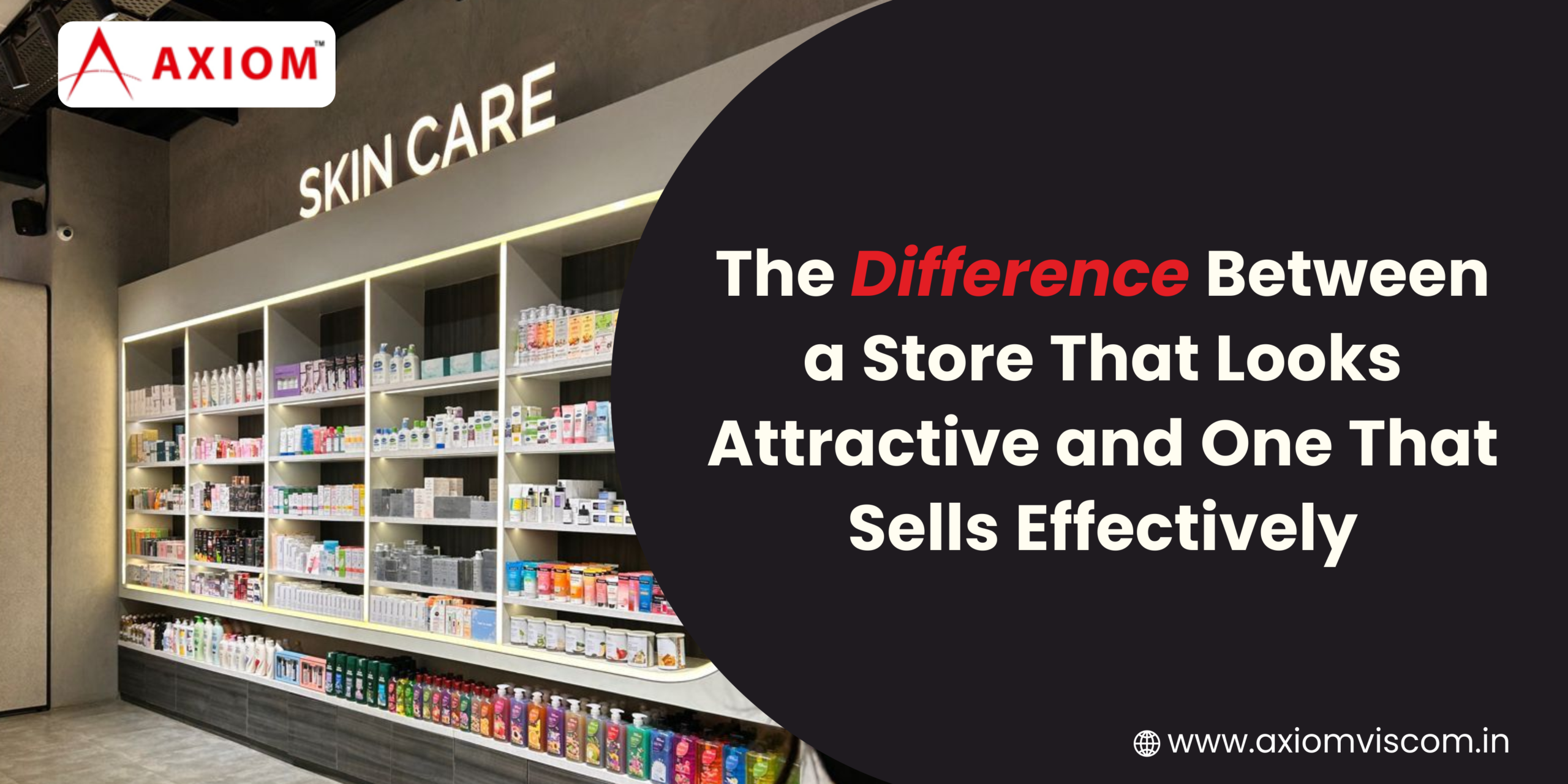
An attractive store earns a glance, but a store that sells earns a decision. The gap comes down to planning. Effective retail shop interior design shapes the space around customer flow, easy product reach, focused lighting and a billing counter where shoppers naturally pause. Looks still matter. Yet a beautiful room without a clear route, readable promotional display stands and accessible stock often leaves people admiring the interiors and walking out empty-handed.
An attractive store focuses on finish, colour and mood. A store that sells uses those same elements to guide people towards a purchase. It plans the entry zone, eye-level placement, aisle width and a queue-free billing point. Appearance creates interest, while layout, fixtures and visual merchandising convert that interest into sales. Owners feel this when visitors praise the interiors yet the till stays quiet.
Low sales in a good-looking shop usually come from design choices that ignore how people actually shop. Common causes include:
An experienced shop interior designer removes this friction at the drawing stage.
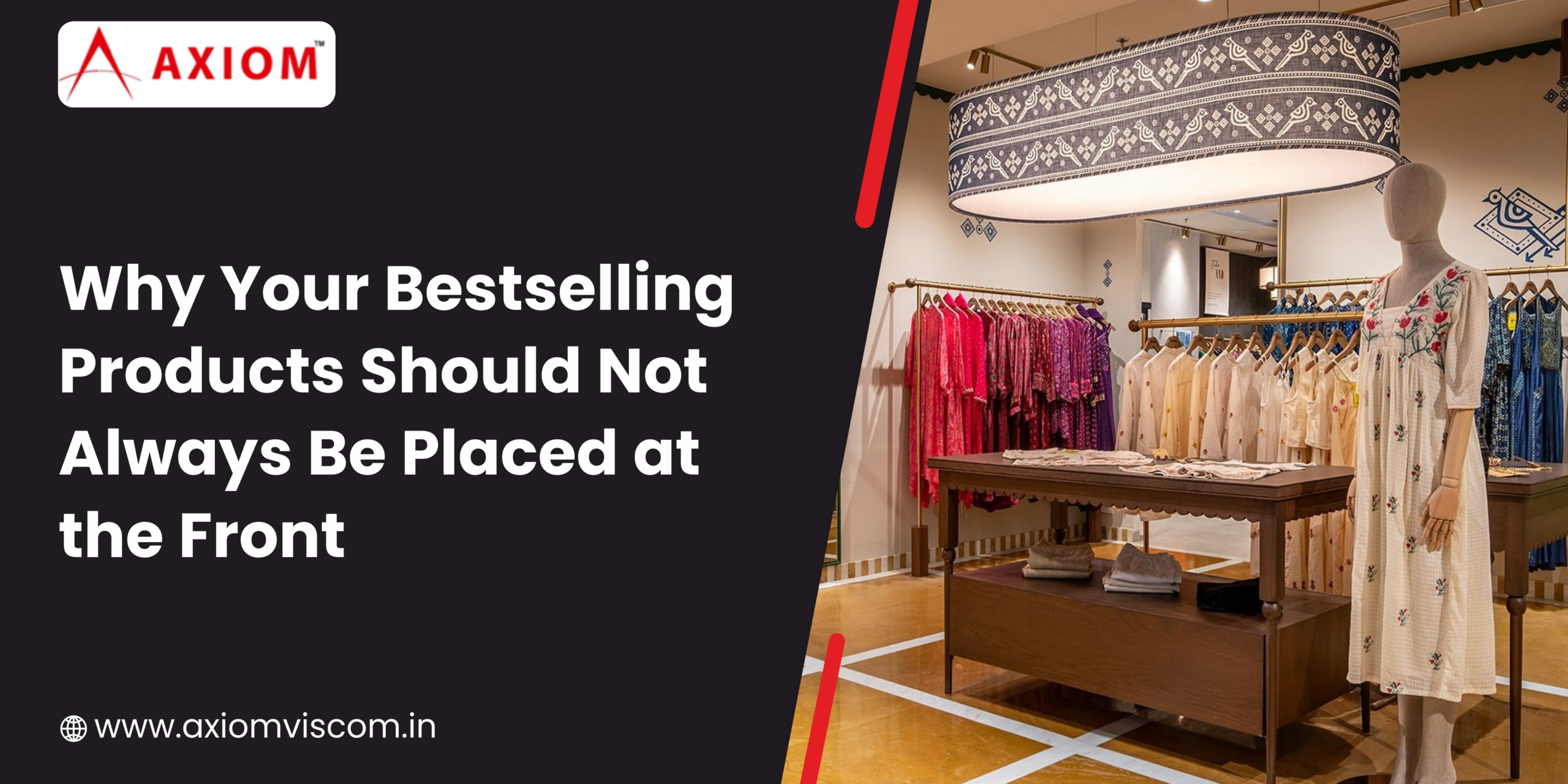
It treats the store as a route rather than a room. Good shop interior design puts new arrivals near the entrance on beautiful promotional display stands, high-margin products at eye level and impulse items beside the counter. A skilled retail store interior designer also plans aisle width and lighting, so shoppers find products unaided.
Here is how each approach handles buying behaviour.
| Factor | Attractive-Only Store | Store That Sells |
|---|---|---|
| Layout | Built around visual symmetry | Built around customer movement |
| Fixtures | Chosen for appearance | Chosen for reach and restocking |
| Lighting | Even ambient glow | Focused on key products |
| Billing counter | Placed wherever space remains | Placed on the exit route with add-ons |
| Success measure | Compliments and social likes | Conversion rate and average bill value |
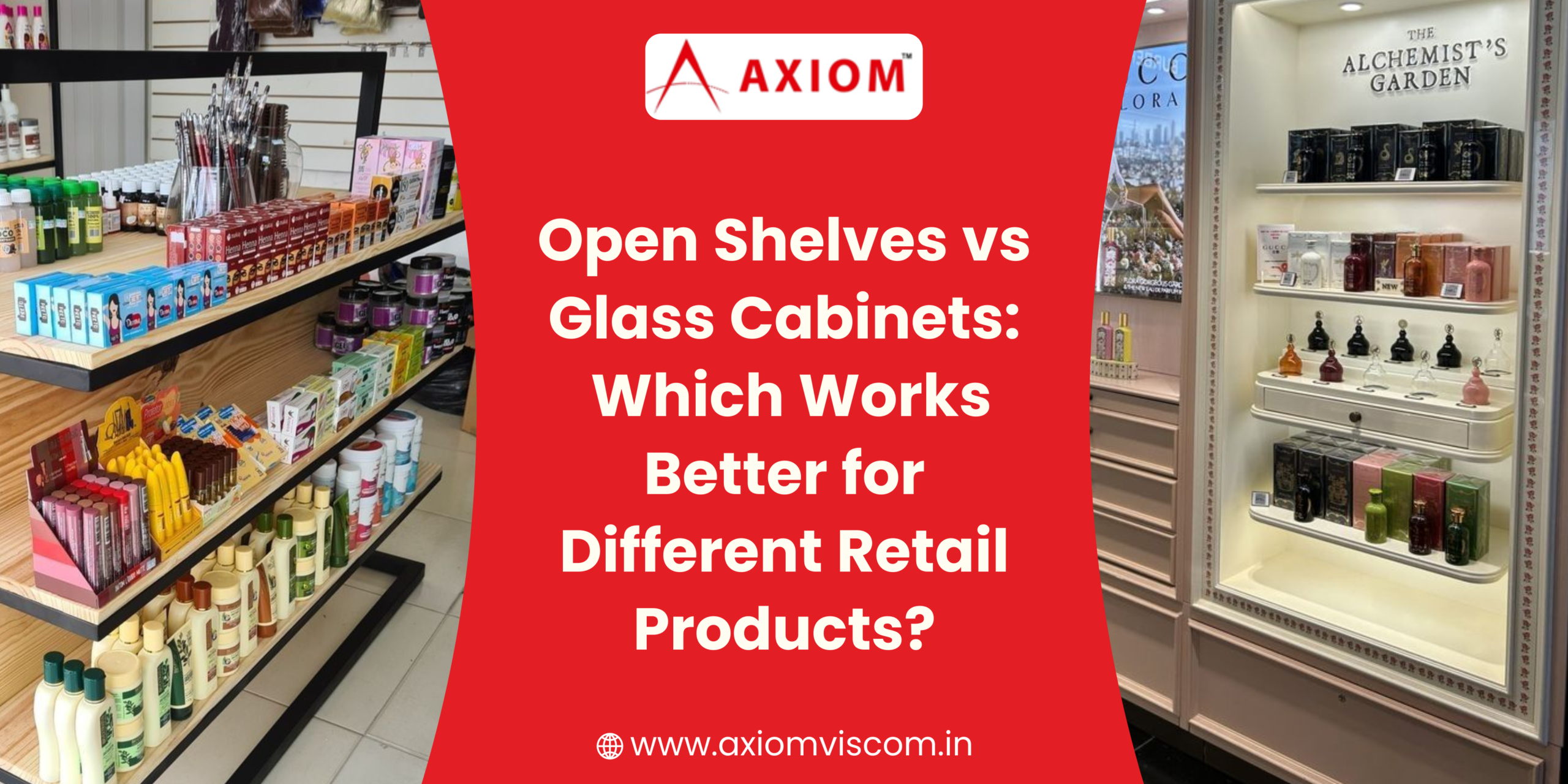
Racks control what a shopper sees first. Display racks for retail stores should hold best-sellers at eye level. A display rack for supermarket aisles needs strength, so choose a proven supermarket racks manufacturer.
Product display stands spotlight launches, and a promotional display stand at the entrance announces offers. Smaller shop display stands suit the till, while a product display stand for shop windows draws passers-by inside.
A front counter design for shop interiors adds impulse space at billing, and sturdy shop furniture design survives daily wear. In optical showroom design, lockable eyewear fixtures sit near mirrors, and sunglasses display racks invite free comparison.
Choose a partner that designs, manufactures and installs under one roof, because accountability then sits with one team. Many shopfitting companies outsource production, which opens gaps between the approved drawing and the delivered fixture. Before signing, check for:
Axiom Visual Communications has built retail spaces for over 15 years from Faridabad and Mumbai, backed by its own factory. As retail fixture manufacturers in Delhi, we take every project through consultation, CAD design, manufacturing, quality checks and installation, tracked live on our APMS system.
Brands shortlisting display rack manufacturers want one accountable team. We work that way clients rely on, whether the brief calls for an interior designer for shop fit-outs or complete retail shop interior design.
Yes. Targeted changes often work better than a complete rebuild. Moving best-sellers to eye level, sharpening product lighting, adding a counter-side display and widening crowded aisles can all lift conversions. A short site audit shows which changes bring the quickest return.
Track conversion rate, which compares buyers with visitors, alongside average bill value and sales per square foot. Watch where customers stop and where they turn back. If footfall stays healthy but bills remain small, the layout and displays need attention first.
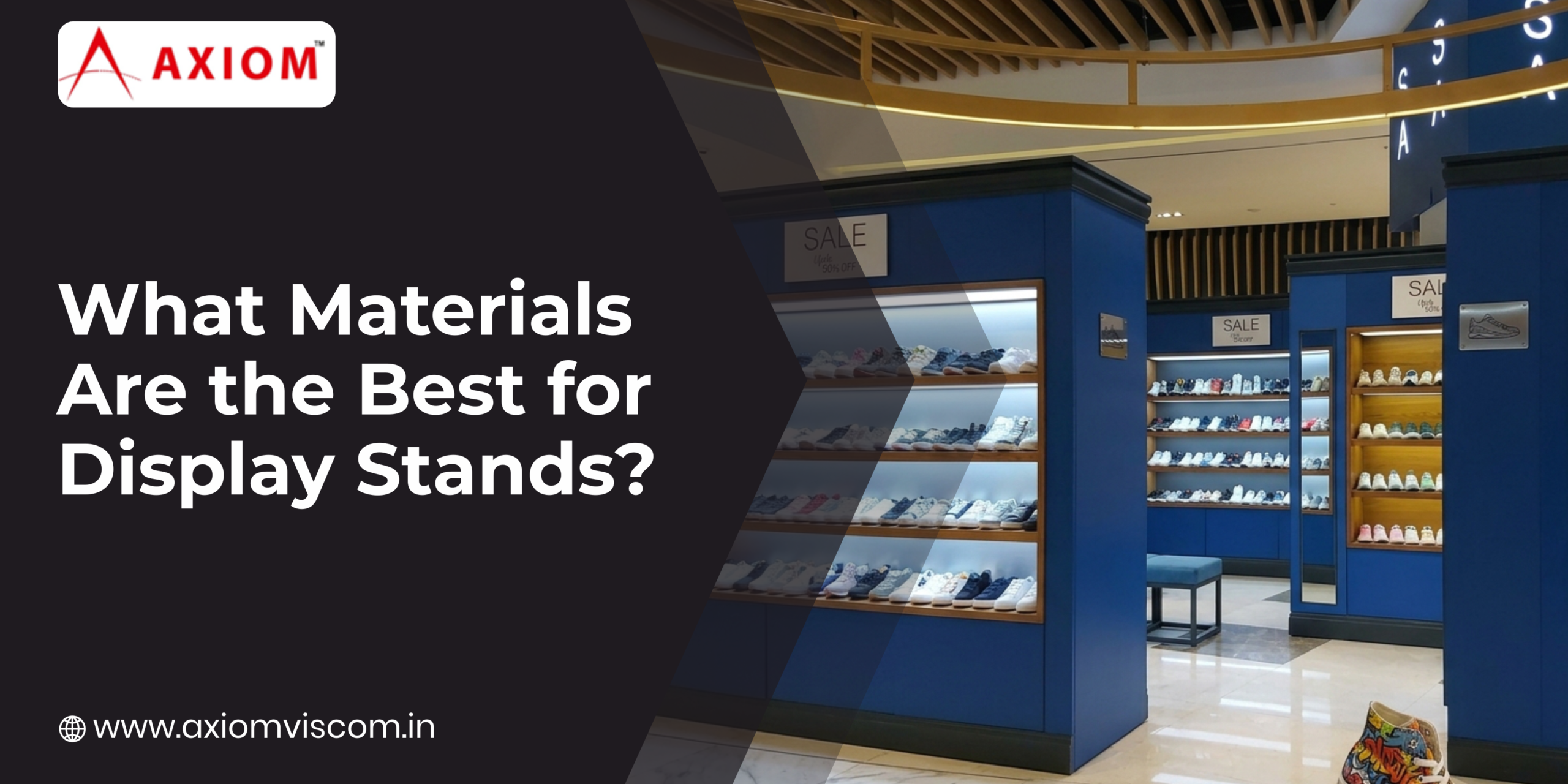
Powder-coated metal, engineered wood and high-pressure laminates offer the best durability for daily retail use. Acrylic works well for lightweight displays and product risers. The right mix depends on product weight, cleaning frequency, store traffic and the finish your brand needs.
A prototype lets you check size, finish, strength and product fit before mass production begins. Spotting a problem on one sample costs far less than correcting fifty finished units. Approval matters most for multi-store rollouts, where every fixture must match.
Speak with our retail display experts within 2 hours. Get tailored recommendations, material samples, and a no-obligation quote for your project.